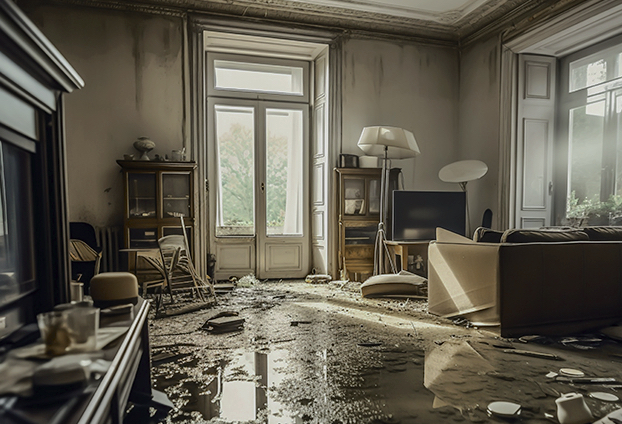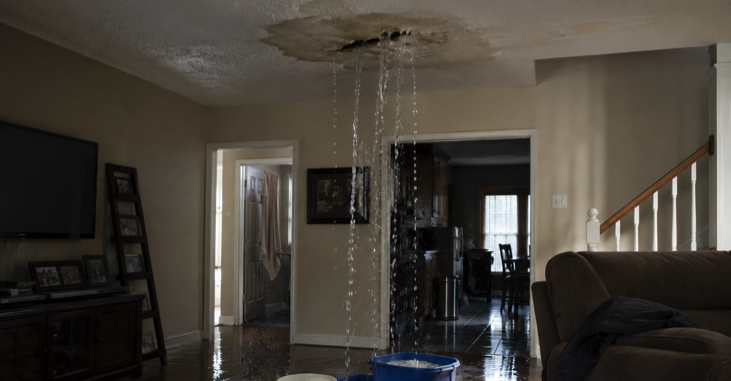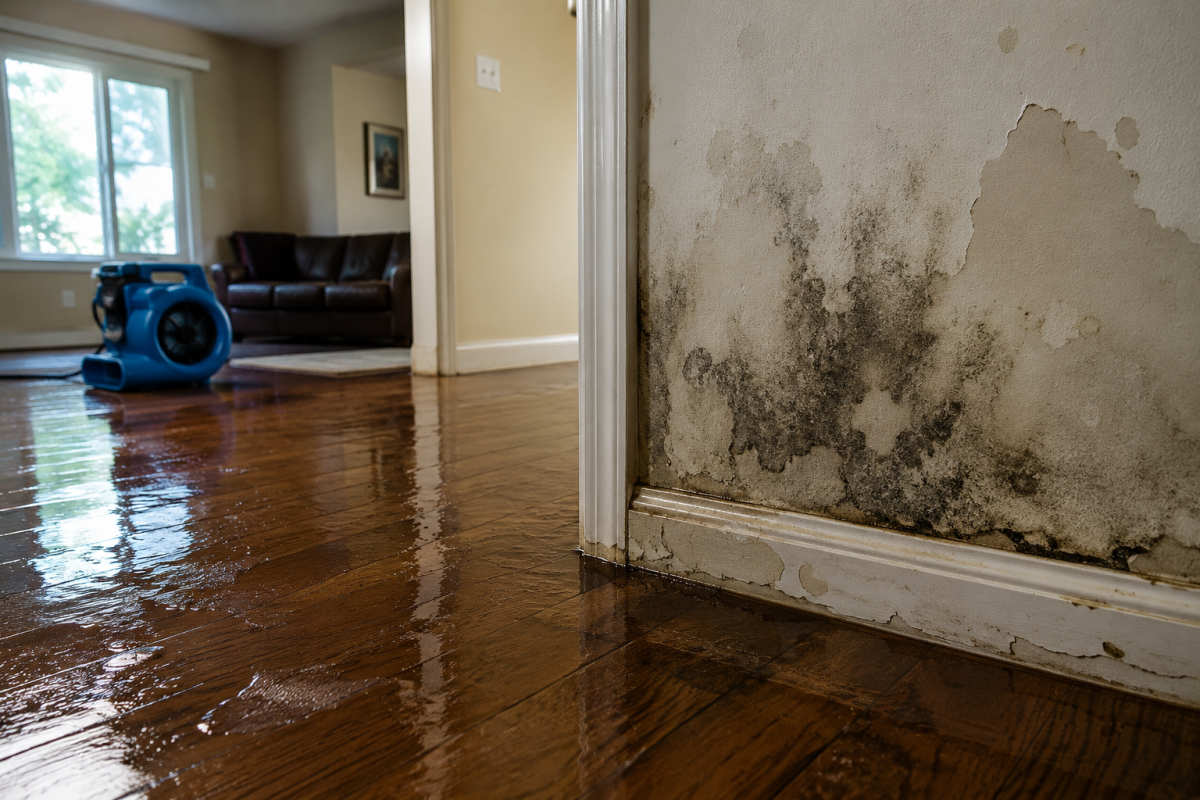
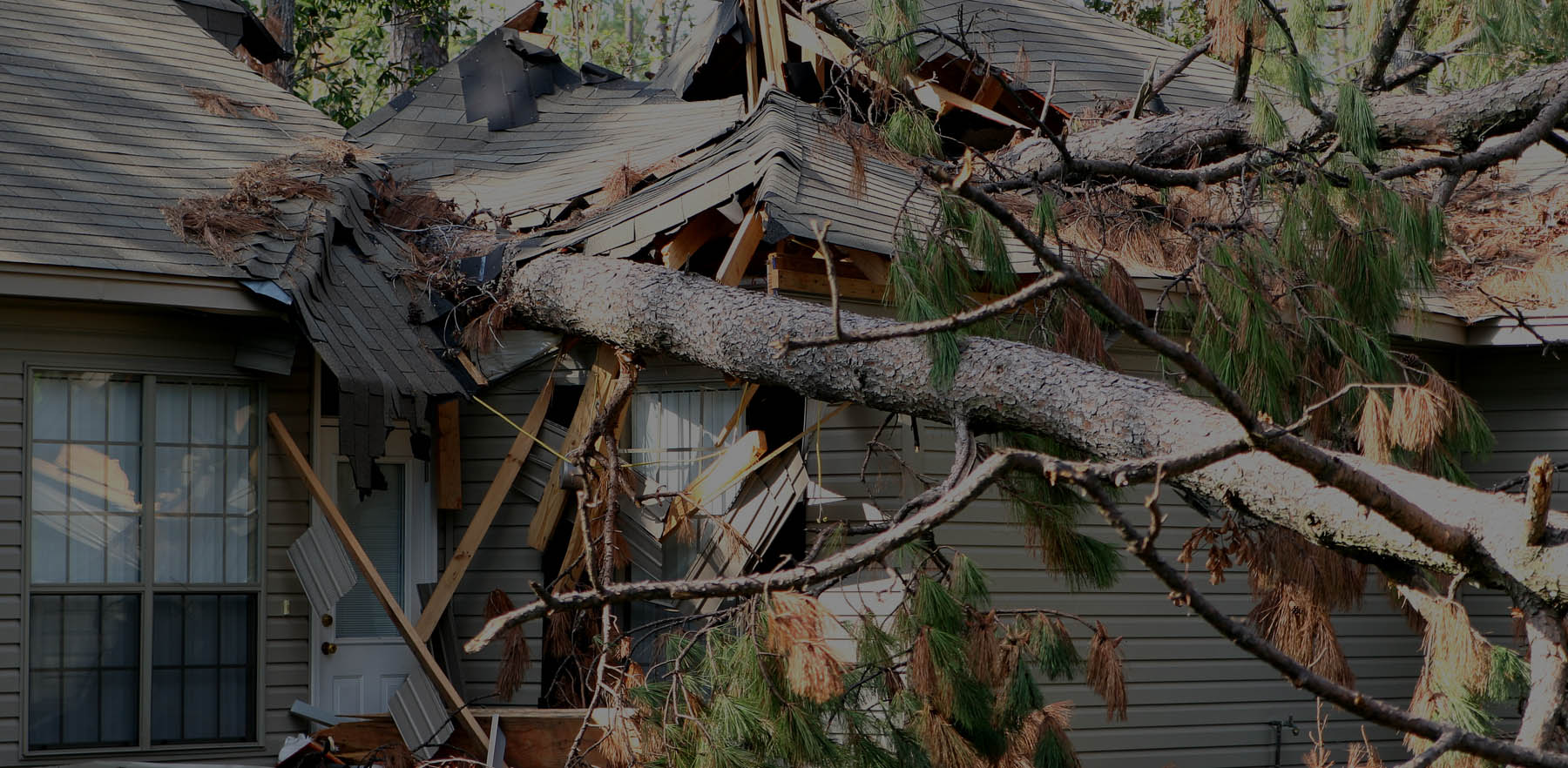
Storm damage cleanup at a property in Westchester County, NY

Hi-Tech Restoration

Storm & Flood Damage Restoration in Westchester County, NY

24/7 flood water removal, storm damage cleanup, structural drying and property restoration throughout Westchester County and nearby NYC communities.


Call 24/7: (914) 423-4600

Call Now for 24/7 Emergency Service

  • IICRC-certified restoration technicians
  • Licensed New York mold remediation contractor
  • Family-owned and serving the area since 1994
  • Residential, commercial, and large-loss restoration
  • We bill your insurance directly — free estimates available
24/7 Storm & Flood Damage Restoration

Storm and flood damage can affect a property very differently from an ordinary plumbing leak. Water entering from outdoors may carry soil, debris, sewage or other contaminants, while wind and falling trees can create roof, window and exterior openings that allow additional rain into the building.

Hi-Tech Restoration provides 24/7 storm and flood damage restoration throughout Westchester County, Yonkers and nearby New York City communities. We provide flood water removal, water damage cleanup, moisture detection, structural drying, damaged-material removal and water damage repair after severe weather events.

Storm losses often involve several problems at once. A flooded basement may require basement water removal, a sewer backup may require sewage damage cleanup, and water-damaged furniture or belongings can be handled through our contents restoration services.

Because storm damage can continue while rain, wind or flooding is still occurring, the first goal is to protect people and stabilize the property when conditions allow. Cleanup and drying can then begin once affected areas can be safely accessed.

IICRC logo
Call Now: (914) 423-4600
Storm damage debris and water removal after a severe weather event

Storm damage cleanup at a property in Westchester County NY

What to Do After Storm or Flood Damage

Floodwater, damaged electrical systems, unstable building materials and fallen trees can make a storm-damaged property unsafe even after the weather begins to improve.

  • Stay out of standing floodwater, especially when electrical equipment or wiring may be involved.
  • Do not reenter structurally damaged areas until the appropriate authority or qualified professional determines entry is safe.
  • Stay away from downed power lines and report them to the appropriate utility or emergency authority.
  • Do not operate wet electrical equipment or appliances.
  • Never operate a generator inside the building, garage or another enclosed area.
  • Photograph accessible damage when it can be done without entering unsafe areas.
  • Avoid direct contact with outdoor floodwater because the contamination level may be unknown.
  • Contact your insurance carrier and report the loss.
  • Call Hi-Tech Restoration for flood water removal, cleanup, drying and property restoration.
Storm Emergency? Call (914) 423-4600

Storm & Flood Damage We Restore

Westchester properties can experience several types of damage during the same weather event. Hi-Tech Restoration responds to storm-related losses including:

  • Flooded basements and lower levels after heavy rainfall, runoff or rising exterior water
  • River and stream flooding affecting low-lying properties
  • Coastal and tidal flooding near Long Island Sound communities
  • Roof leaks and roof openings caused by wind, fallen limbs or damaged roofing materials
  • Wind-driven rain entering through damaged windows, doors, siding or exterior building components
  • Sump pump failures during heavy rainfall or power outages
  • Sewer and drain backups associated with overwhelmed drainage systems
  • Tree and limb damage that opens roofs, walls or windows to rain
  • Wet insulation, drywall and wall cavities following prolonged water intrusion
  • Mud, silt and debris deposited inside the building by outdoor flooding
  • Commercial and multi-family storm losses affecting several rooms, floors or tenant spaces

If the primary problem is standing water inside the building, see our emergency water removal services.

home water damage

Our Storm & Flood Damage Restoration Process

The restoration plan depends on how water entered, the contamination conditions, the building materials affected and whether additional rain or structural damage is still exposing the property.

01

Safety & Damage Assessment

We evaluate accessible areas for standing water, structural damage, contamination, electrical concerns and other conditions that may affect the restoration scope.

02

Emergency Property Stabilization

When the building envelope has been damaged, temporary protection such as board-up or tarping may be used when appropriate to help reduce additional weather exposure.

03

Flood Water Removal

Standing water is pumped or extracted from affected areas so debris can be removed and wet building materials can be evaluated.

04

Contaminated & Damaged Material Removal

Wet porous materials are evaluated based on the source of water, contamination level and physical condition. Materials that cannot reasonably be restored are documented and removed.

05

Cleaning & Structural Drying

Affected surfaces are cleaned as appropriate before air movement and dehumidification are used to dry framing, floors, walls and other remaining building materials.

06

Documentation & Restoration

We document the affected areas and restoration work and can coordinate the water damage repair and reconstruction needed after cleanup and drying are complete.

Storm damage cleanup crew working on a flood-affected property

Why Outdoor Floodwater Requires Extra Precautions

The exact contaminants in outdoor floodwater are rarely known when the water first enters a property. Depending on the event, floodwater may contain soil, sewage, microorganisms, chemicals, fuel residues and physical debris.

That uncertainty affects how wet materials are handled. Restoration decisions should account for both moisture and contamination rather than assuming every wet material can simply be dried in place.

The cleanup may involve:

  • Pumping and extracting standing water
  • Removing mud, silt and debris
  • Evaluating affected porous materials
  • Removing materials that cannot be appropriately cleaned or restored
  • Cleaning exposed structural surfaces
  • Drying framing and other salvageable building materials
  • Monitoring structural moisture levels
  • Evaluating affected contents

If a storm has caused an actual sewer or drain backup inside the property, our sewage damage cleanup services address the contaminated water and affected materials.

Flood Insurance vs. Property Insurance

The source and path of storm water can matter to the insurance claim. Surface flooding and rain entering through storm damage may be treated differently under an insurance policy, which is why documenting how the water entered the property is important.

Examples may include:

  • River, stream or coastal flooding – May fall under separate flood coverage rather than standard property coverage.
  • Rapid surface-water accumulation – May be considered flood damage depending on the circumstances and policy.
  • Rain entering through wind damage – May be treated differently from surface flooding.
  • Sewer or drain backup – Coverage may depend on the policy and any applicable backup endorsement.
  • Sump pump failure – Coverage varies according to the policy and endorsements.
  • Tree or limb damage followed by rain intrusion – Coverage depends on the policy and circumstances of the loss.

Why Water-Source Documentation Matters

A single storm may affect a property in more than one way. Rain may enter through a damaged roof while exterior water affects the basement at the same time.

Hi-Tech documents visible water paths, affected rooms, moisture conditions and restoration work so the property owner and insurance carrier have a clearer record of the loss. The insurance company ultimately determines coverage under the applicable policy.

Call (914) 423-4600
home water damage

Storm & Flood Risks Across Westchester County

Westchester County experiences several different types of flooding, including river and stream overflow, coastal flooding, intense-rain runoff and localized stormwater flooding.

Communities and conditions with documented flood concerns include:

  • Mamaroneck – Riverine flooding associated with the Mamaroneck and Sheldrake River systems as well as coastal and rainfall-driven flooding.
  • Rye – Blind Brook is a significant flood concern, with additional coastal flood exposure near Long Island Sound.
  • Southern and central Westchester – Intense thunderstorms can create localized flooding that sends stormwater into homes and makes roads temporarily impassable.
  • Long Island Sound communities – Coastal properties may be affected by storm surge, tidal flooding and wind-driven rain.
  • River and drainage corridors – Properties near waterways and low-lying drainage areas can experience repeated stormwater and riverine flooding.

Hi-Tech Restoration serves storm-damaged properties throughout Westchester County from our Yonkers location, including Mamaroneck, Rye, New Rochelle, Larchmont, White Plains, Scarsdale, Mount Vernon, Yonkers and surrounding communities.

Water damage cleanup crew extracting water from a flooded room

Basement Flooding After Heavy Rain

Basements and lower levels are frequently among the first areas affected by heavy rainfall, runoff, sump pump failures and rising exterior water.

Water may affect finished walls, flooring, insulation, stored belongings and concealed spaces around framing. Our basement and crawlspace water damage service provides extraction, moisture detection and structural drying for below-grade losses.

Commercial Storm & Flood Damage

Storm losses in offices, apartment buildings, retail properties and other commercial facilities may affect multiple floors, tenant spaces, mechanical areas and stored contents.

Hi-Tech provides commercial water damage restoration with extraction, drying, documentation, contents coordination and restoration planning for larger or more complex properties.

After the Flood Water Is Gone

Visible water removal is only the first part of flood restoration. Moisture can remain inside wall cavities, flooring systems, insulation, framing and other materials after standing water has disappeared.

Before restoration moves forward, the project may require:

  • Removal of mud, silt and debris
  • Evaluation and removal of contaminated porous materials
  • Cleaning of remaining structural surfaces
  • Drying of framing, subflooring and other salvageable materials
  • Moisture monitoring during the drying process
  • Evaluation of water-affected contents
  • Assessment of electrical, mechanical or HVAC components by the appropriate qualified professionals when needed
  • Water damage repair and reconstruction after drying is complete

Wet materials should not simply be closed back into walls. If mold growth has already developed following the storm, Hi-Tech can perform mold remediation within New York’s required independent-assessment process.

Why Fast Drying Matters

Prolonged moisture can damage wood, drywall, flooring, insulation and contents and can create conditions that support microbial growth.

Professional moisture readings help determine whether the building is actually drying instead of relying only on how surfaces look or feel.

Storm & Flood Damage Restoration Throughout Westchester County

Hi-Tech Restoration is based at 4 Executive Plaza in Yonkers, NY and provides 24/7 storm damage restoration, flood water removal and water damage restoration throughout Westchester County and nearby New York City communities.

Our local service area includes Yonkers, White Plains, New Rochelle, Mount Vernon, Mamaroneck, Scarsdale, Rye, Larchmont, Hastings-on-Hudson and Sleepy Hollow.

We also serve the Bronx, Manhattan and additional areas listed on our service area page.

Why Choose Hi-Tech Restoration?

  • Serving the region since 1994
  • Based locally in Yonkers, NY
  • IICRC-certified restoration technicians
  • 24/7 storm and water damage response
  • Flood water removal and extraction
  • Moisture detection and structural drying
  • Residential and commercial restoration
  • Contents restoration and pack-out
  • Water damage repair and reconstruction
  • Insurance documentation assistance
Call (914) 423-4600
FAQ Badge

Storm & Flood Damage Restoration FAQs

Stay away from standing water when electrical hazards may be present and do not enter structurally damaged portions of the property until they have been cleared for safe entry.

Photograph accessible damage when it is safe, report the loss to your insurance carrier and call Hi-Tech Restoration at (914) 423-4600 for flood water removal, cleanup and structural drying.

No floodwater should be assumed safe. Outdoor floodwater may contain sewage, microorganisms, chemicals, sharp debris and other hazards that are not visible.

Avoid direct contact whenever possible and keep children and pets away from affected areas.

Coverage depends on the source of the water and the specific policy. Surface flooding from overflowing waterways or rapid accumulation of outdoor water is commonly treated differently from rain entering through storm damage to the building.

Separate flood insurance may apply to certain flood losses. Sewer backups and sump-pump failures can also depend on specific endorsements. Your insurance carrier determines coverage under the policy.

Restoration depends on both moisture and contamination. Outdoor floodwater may contain contaminants that make some porous building materials unsuitable for drying and reuse.

The restoration team evaluates the source of the water, material type, extent of exposure and condition before deciding what can be cleaned and dried and what should be removed.

Water removal should begin as soon as the property can be safely accessed. The longer materials remain wet, the greater the potential for deterioration, odor and microbial growth.

After standing water is removed, structural drying and moisture monitoring are still required because walls, floors and framing may remain wet.

Yes. Prolonged moisture after flooding, roof leaks and stormwater intrusion can create conditions that support mold growth on drywall, wood, insulation and other organic materials.

If mold has already developed, Hi-Tech Restoration also provides professional mold remediation.

Do not enter if standing water may be in contact with electrical equipment or wiring. Basement flooding can affect walls, insulation, flooring, framing and stored belongings even after the visible water is removed.

Hi-Tech provides basement flood water removal and structural drying throughout Westchester County.

Sewage and drain backups require additional contamination precautions. Keep people and pets out of the affected area and avoid attempting to clean the wastewater with household equipment.

See our sewage backup cleanup services for more information.

Yes. Hi-Tech Restoration handles storm-related water damage in offices, apartment and multi-family buildings, retail properties and other commercial facilities.

Commercial projects can include flood water extraction, structural drying, contents coordination, documentation and restoration planning.

Hi-Tech Restoration can coordinate water damage repair and reconstruction after water removal, cleanup and structural drying are complete.

The required repairs depend on which walls, flooring, insulation, framing and finishes were damaged during the storm.

Hi-Tech Restoration provides 24/7 emergency service from Yonkers. During widespread regional storms, demand can increase quickly throughout Westchester County, so property owners should call as soon as conditions are safe and storm damage is discovered.

We do not recommend delaying water removal simply because the visible water level has stopped rising. Moisture can continue affecting building materials after the storm passes.

Storm or Flood Damage in Westchester County?

Floodwater can affect far more than the visible floor surface. Moisture, debris and contamination may extend into walls, insulation, flooring, framing and contents throughout the property.

Call (914) 423-4600 for 24/7 storm damage cleanup, flood water removal, structural drying and property restoration throughout Westchester County and nearby NYC communities.

Call 24/7: (914) 423-4600 Request Storm Damage Restoration