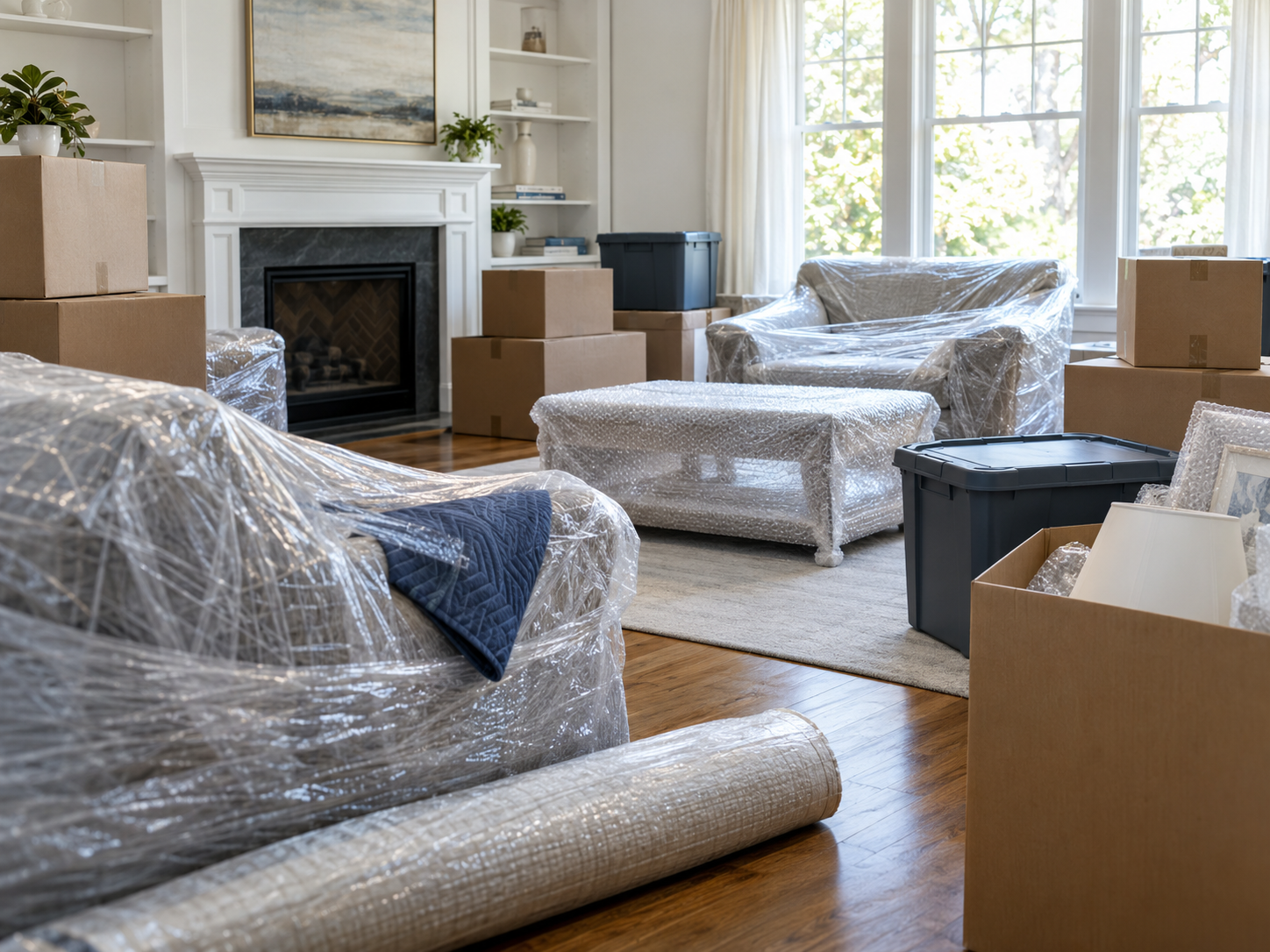
contents restoration pack out westchester county ny

Hi-Tech Restoration

Contents Restoration & Pack-Out Services in Westchester County, NY

Professional contents inventory, pack-out, cleaning, secure storage and pack-back after water, fire, smoke, mold and other property damage.


Call Now: (914) 423-4600

Call Now for 24/7 Emergency Service

  • IICRC-certified restoration technicians
  • Licensed New York mold remediation contractor
  • Family-owned and serving the area since 1994
  • Residential, commercial, and large-loss restoration
  • We bill your insurance directly — free estimates available
Contents Restoration Protects What Is Inside the Property

Property damage affects more than walls and floors. Furniture, clothing, rugs, photographs, documents, electronics, artwork, business records and everyday belongings can also be exposed to water, smoke, soot, mold or contaminated materials.

Hi-Tech Restoration provides contents restoration and pack-out services throughout Westchester County, Yonkers and the NYC area. We evaluate affected belongings, document their condition, separate salvageable and non-salvageable items, clean appropriate contents and coordinate storage while structural restoration is underway.

Hi-Tech has served the region since 1994 and brings decades of professional cleaning and restoration experience to contents recovery. Our goal is to restore items when it is practical and appropriate while clearly documenting items that cannot reasonably be saved.

Contents restoration may be performed on site or through a pack-out depending on the extent of the loss, building conditions, contamination level and type of structural work required.

IICRC logo
Call (914) 423-4600
contents restoration pack back westchester county ny

document book restoration westchester county ny

Contents Restoration After Water, Fire & Property Damage

The cleanup method depends heavily on what damaged the item. Water, sewage, smoke and mold do not create the same restoration conditions.

  • Water damage – Furniture, rugs, textiles, documents and other contents are evaluated based on how wet they became, the source of the water and how quickly drying begins.
  • Fire and smoke damage – Soot, smoke residue and odor can affect belongings even in rooms that were not directly touched by flames. See our fire and smoke damage restoration services.
  • Sewage and contaminated water – Porous belongings exposed to contaminated water require careful evaluation and may not be appropriate for restoration. See our sewage cleanup services.
  • Mold contamination – Contents within a mold remediation area are evaluated according to the independent remediation scope and condition of the item. See our mold remediation services.
  • Storm and flood damage – Belongings may be affected by both moisture and contamination depending on where the water originated.
  • Commercial losses – Office furniture, records, inventory, fixtures and business equipment may require inventory and relocation while restoration proceeds.

The sooner affected belongings can be evaluated and stabilized, the more options may be available for items that are sensitive to moisture, smoke or prolonged contamination.

What Types of Contents Can Be Restored?

Every item is evaluated individually because restoration depends on material, condition, contamination and replacement value.

  • Furniture – Wood and upholstered furniture may be cleaned, dried or otherwise restored when material and contamination conditions allow.
  • Clothing and textiles – Garments, linens and other textiles may be cleaned and deodorized using processes appropriate for the fiber and type of damage.
  • Area rugs – Rugs are evaluated according to fiber, construction, dyes and contamination before an appropriate cleaning method is selected.
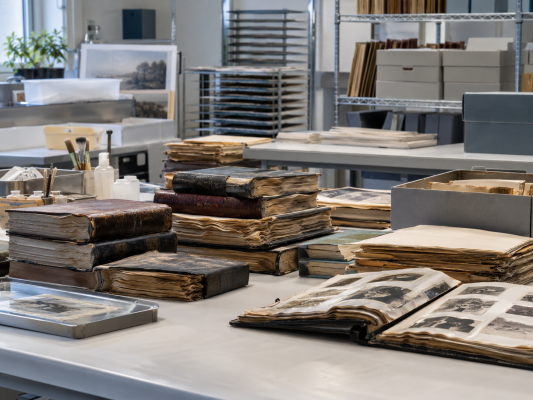
  • Books and documents – Wet paper materials can be extremely time-sensitive. Stabilization and specialty document-recovery options may be recommended depending on condition and value.
  • Photographs and albums – Water-damaged photographs may require prompt handling or specialist treatment to reduce additional deterioration.
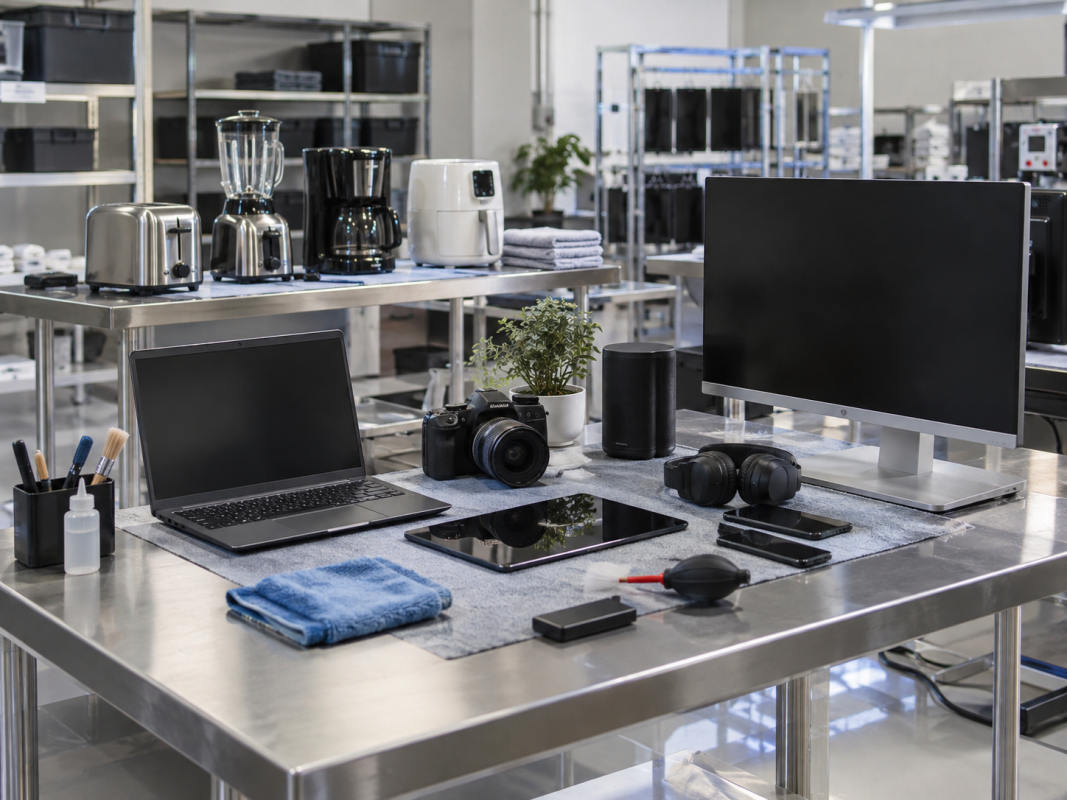
  • Electronics – Electronics affected by water, smoke or soot should not automatically be powered on. Appropriate evaluation or specialized electronics restoration may be recommended.
  • Artwork, antiques and collectibles – High-value or sensitive pieces are evaluated individually and may be referred to an appropriate conservator or specialist.
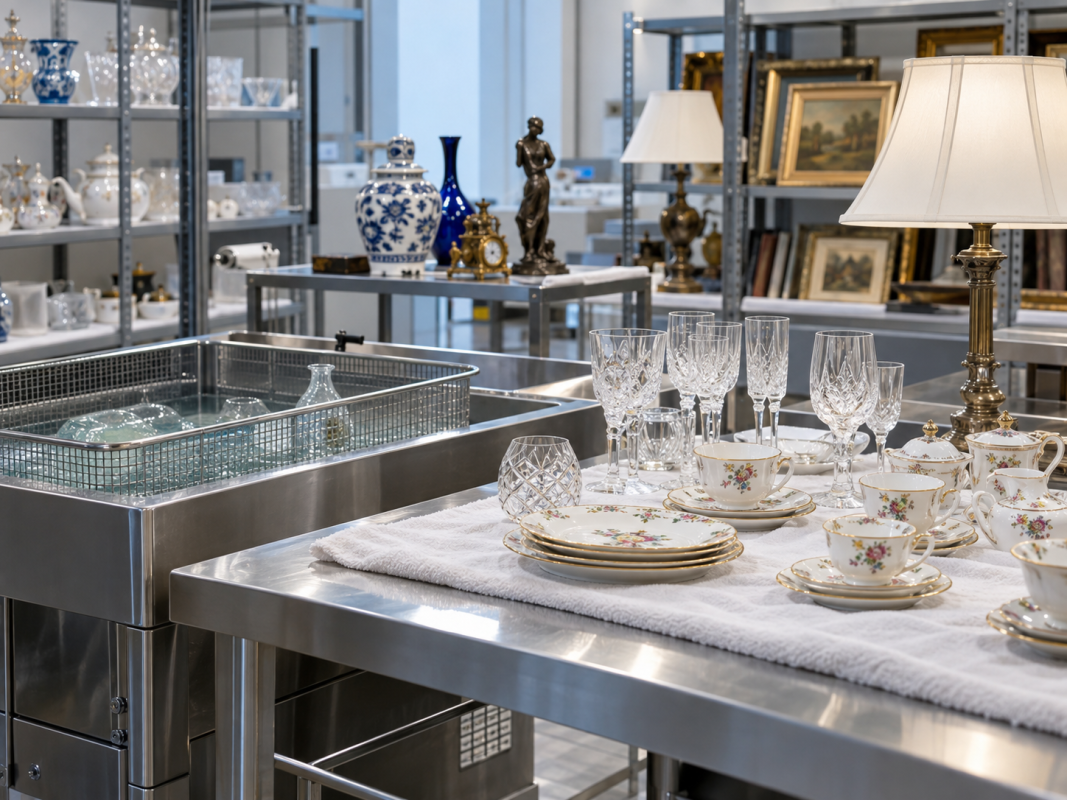
  • China, glassware and hard contents – Many nonporous items can be cleaned using methods appropriate for the residue and material involved.
  • Business records and files – Important documents can be inventoried and handled with attention to organization and chain of custody.
  • Window treatments and soft furnishings – Draperies, blinds and other soft goods may be cleaned or restored depending on material and contamination.

Some items cannot safely or economically be restored. Hi-Tech documents non-salvageable contents so the property owner and insurance carrier have a clear record of what was affected.

Restored clothing, linens and textiles after professional cleaning

Our Contents Pack-Out, Storage & Pack-Back Process

A documented pack-out creates space for structural restoration while helping maintain an organized record of belongings removed from the property.

01

Contents Assessment

We identify belongings within the affected areas and evaluate whether items can remain in place, need to be relocated within the property or require a full pack-out.

02

Inventory & Documentation

Items selected for pack-out are inventoried and documented so their location, condition and restoration status can be tracked through the project.

03

Packing & Transport

Contents are packed using methods appropriate for the type of item and transported away from the active restoration area when off-site processing or storage is necessary.

04

Cleaning & Restoration

Items are routed through cleaning, deodorization, drying or appropriate specialty treatment based on material and damage type.

05

Storage & Claim Documentation

Restored contents are stored as needed while building restoration continues. Items that cannot be restored are documented for the owner and insurance claim.

06

Pack-Back & Return

Once the property is ready to receive belongings, inventoried contents are returned and placed back into the appropriate areas of the property.

When Is a Contents Pack-Out Necessary?

Not every restoration project requires every belonging to leave the building. A limited water loss may allow unaffected contents to be moved into another dry room while restoration proceeds.

A full or partial pack-out may make more sense when:

  • Structural demolition or reconstruction requires clear access to the affected rooms
  • Contents have been exposed to widespread smoke or soot
  • The building environment is too wet, contaminated or unstable for belongings to remain safely in place
  • Contents require cleaning that cannot reasonably be completed inside the property
  • A commercial property needs inventory or equipment moved so restoration work can continue
  • The property cannot be adequately secured during restoration
  • Longer-term repairs mean belongings would otherwise remain in an active construction area

IICRC’s current contents-processing training specifically recognizes inventory, packing, transport, storage and pack-back as core parts of professional contents recovery. The decision to perform work on site or off site should be based on the actual project conditions. :contentReference[oaicite:4]{index=4}

Request Contents Restoration Service
electronics contents restoration westchester county ny
Cleaned dishes, glassware and decor items in a contents restoration facility

How Damaged Contents Are Cleaned

There is no single cleaning method for every belonging. The process is selected according to the material, type of residue, contamination level and condition of the item.

Contents restoration may involve:

  • HEPA vacuuming for appropriate dry particulate and surface residues
  • Dry cleaning methods for materials that should not immediately be exposed to moisture
  • Wet or immersion cleaning for compatible hard contents
  • Professional textile cleaning for appropriate garments, fabrics and soft goods
  • Rug and upholstery cleaning selected according to fiber and construction
  • Specialty document recovery when important books or records have been affected
  • Odor treatment selected according to the affected material and source of odor
  • Specialist referral for electronics, artwork, antiques or other items that require expertise beyond ordinary contents cleaning

The objective is not to apply the strongest cleaning method possible. It is to use the method most appropriate for the item without creating additional damage.

Should an Item Be Restored or Replaced?

Contents restoration is a case-by-case decision. An item may be technically cleanable but still not be practical to restore, while another item may justify additional restoration effort because it is rare, sentimental or difficult to replace.

Factors can include:

  • Type of damage – Clean water, sewage, smoke, soot and mold present very different restoration conditions.
  • Material – Hard nonporous materials generally respond differently than absorbent or delicate materials.
  • Extent of exposure – A lightly affected item may have more restoration options than something that remained submerged or heavily contaminated.
  • Condition and structural integrity – Warping, delamination, staining or physical damage may limit restoration.
  • Replacement availability and cost – Restoration cost should be evaluated against the realistic replacement value of the item.
  • Sentimental or historical value – Photographs, heirlooms, records and collectibles may justify specialist evaluation even when replacement-value economics do not tell the full story.
  • Health and contamination considerations – Some porous items exposed to sewage, mold or other contaminants may not be suitable for restoration.

Hi-Tech documents the condition and restoration recommendation so owners and insurance representatives have a clearer basis for the claim decision.

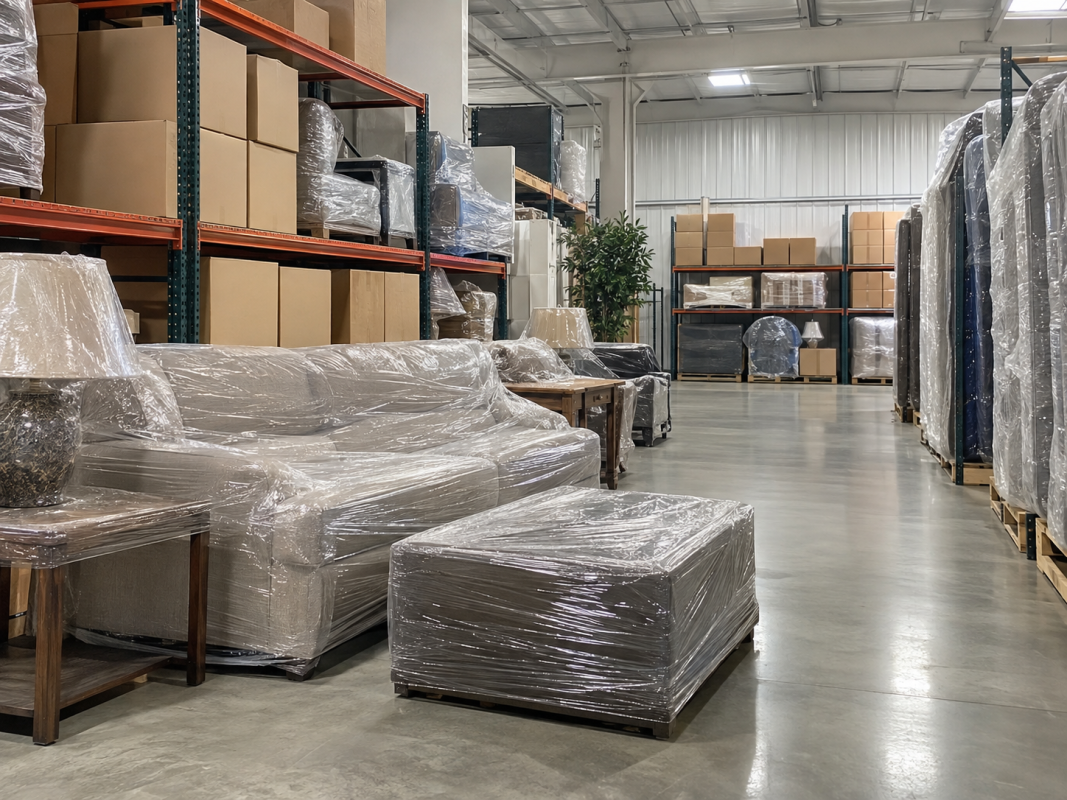
Shrink-wrapped furniture in a climate-controlled contents storage warehouse

Residential Contents Restoration

For homeowners, a contents loss may involve furniture, clothing, rugs, family photographs, books, electronics, collectibles and other personal belongings.

Hi-Tech can coordinate contents recovery alongside water damage restoration, fire and smoke restoration, sewage cleanup and mold remediation.

Commercial Contents & Inventory Recovery

Commercial losses may involve office furniture, records, merchandise, equipment, fixtures and inventory that must be documented and moved before building restoration can proceed.

Our commercial water damage team can coordinate contents movement and documentation with structural drying and restoration to reduce unnecessary disruption to unaffected areas.

Contents Inventory & Insurance Documentation

A contents claim can involve hundreds of individual items. Good documentation helps establish what was present, what was affected, which items were restored and which items could not be saved.

Depending on the project, documentation may include:

  • Room-by-room contents inventory
  • Item identification and labeling
  • Photographs of affected belongings
  • Recorded condition before processing
  • Restoration or non-salvageable status
  • Tracking through pack-out, storage and pack-back
  • Documentation supporting the restoration claim

Insurance coverage varies by policy and cause of loss. Hi-Tech can document the restoration work and communicate with the carrier or adjuster, but coverage decisions remain with the insurance company.

One Restoration Team

When contents restoration is coordinated with the structural work, belongings do not have to become a separate project disconnected from the rest of the loss.

Hi-Tech can coordinate contents recovery with water mitigation, fire and smoke cleanup, structural drying and reconstruction.

Call (914) 423-4600

Pack-Back: Returning Your Belongings

Contents should return when the restored areas are ready to receive them. Moving belongings back too early can place cleaned items into an active drying or construction environment.

Before pack-back, the project team can confirm:

  • Inventoried contents are accounted for
  • Items designated for restoration have completed the appropriate cleaning process
  • Non-salvageable items have been documented
  • The receiving areas are ready for returned contents
  • Stored items are matched back to the appropriate rooms or locations
  • The returned inventory is reviewed with the property owner or representative

Contents Restoration Across Westchester County & NYC

Hi-Tech Restoration is based at 4 Executive Plaza in Yonkers, NY and provides contents restoration, pack-out and property restoration services throughout Westchester County and nearby New York City communities.

Our service area includes Yonkers, White Plains, New Rochelle, Mount Vernon, Scarsdale, Mamaroneck, Rye, Larchmont, Hastings-on-Hudson, Sleepy Hollow and surrounding Westchester communities.

We also serve the Bronx, Manhattan and additional locations listed on our service area page.

Why Choose Hi-Tech Restoration?

  • Serving the region since 1994
  • Based locally in Yonkers, NY
  • IICRC-certified restoration professionals
  • Residential and commercial restoration
  • Contents inventory and documentation
  • Pack-out and pack-back services
  • Professional cleaning and deodorization
  • Water, fire, smoke and mold restoration capabilities
  • Contents and structural restoration coordinated together
  • Insurance claim documentation assistance
Call (914) 423-4600
FAQ Badge

Contents Restoration & Pack-Out FAQs

Contents restoration is the process of evaluating, documenting, cleaning and recovering belongings affected by property damage. Depending on the loss, it may involve furniture, clothing, rugs, documents, electronics, artwork, business records and other personal or commercial property.

A pack-out is the organized removal of belongings from affected areas so they can be documented, cleaned, stored and protected while structural restoration is completed.

Not every loss needs a full pack-out. Contents may sometimes be cleaned in place or temporarily moved to an unaffected area of the property.

Pack-out projects use an inventory and documentation process to track affected items from the property through cleaning or storage and back to the appropriate location during pack-back.

The amount and type of documentation depends on the project and insurance requirements.

Sometimes. Restoration depends on the source of the water, how long the item remained wet, the type of material, contamination level and physical condition of the item.

Hard, nonporous items often present different restoration options than highly absorbent materials exposed to contaminated water.

Many belongings affected by smoke or soot can be evaluated for professional cleaning and deodorization. The appropriate method depends on the type of residue and material involved.

Items that are highly sensitive, valuable or technically complex may require evaluation by a specialist.

Some water-damaged documents, photographs and books can be stabilized or recovered, particularly when they are addressed quickly. The appropriate process depends on the material, extent of saturation and value of the item.

Important or irreplaceable documents may require a specialist document-recovery process.

Some electronics may be candidates for specialized cleaning or restoration, but affected devices should not automatically be powered on after water or smoke exposure.

A qualified electronics specialist or manufacturer may need to determine whether equipment can be safely returned to service.

That depends heavily on the material and level of contamination. Many porous contents directly affected by sewage or other highly contaminated water may not be suitable for restoration.

Items are evaluated individually based on contamination, porosity, condition and the ability to clean them appropriately.

Coverage depends on the policy, cause of loss and applicable limits or exclusions. Contents or personal-property coverage is often separate from structural coverage.

Hi-Tech Restoration can document affected belongings and the restoration work and can communicate with insurance representatives, but the carrier determines what is covered under the policy.

The timeline depends on the number of items, damage type, cleaning processes required and how long structural restoration takes. Some belongings can be processed quickly, while specialty items may require additional evaluation or treatment.

Pack-back generally occurs once the appropriate areas of the building are ready to receive the restored contents.

Need Contents Restoration in Westchester County or NYC?

Furniture, documents, clothing, electronics and other belongings can continue deteriorating after water, smoke or other property damage. Early evaluation can help determine which items may be appropriate for restoration.

Call (914) 423-4600 for professional contents restoration, pack-out and restoration coordination throughout Westchester County and nearby NYC communities.

Call Now: (914) 423-4600 Request Contents Restoration